
Understanding the Dangers of Ketamine Abuse
 06th December 2024
 N/A
N/A
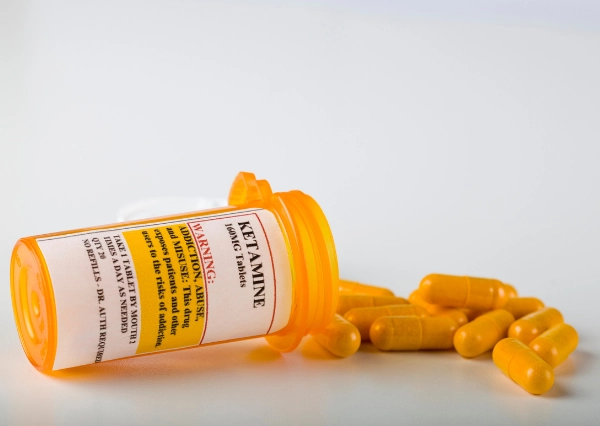
Ketamine misuse has been on the rise in the UK over the past decade, especially among younger people.
According to data from the Crime Survey for England and Wales, usage among people aged 16-24 rose from 0.9% in 2006-07 to 3.8% in 2022-23. This represents around 220,000 young people, and while not as prevalent in older people, the drug is still misused across all age groups.
It represents a serious and growing problem, but what exactly is ketamine and what are the dangers of ketamine abuse?
What is Ketamine, and How is it Used?
Ketamine is a strong anaesthetic and painkiller, which was first developed in the 1960s.
You might have heard it referred to as a ‘horse tranquiliser’. It is commonly used in veterinary medicine (on horses as well as other animals) but is also used in human medicine – particularly in trauma situations for severe, acute pain. It may also be used to treat pain from cancer and some other types of chronic pain.
There has been some research on using the drug to treat mental health issues such as depression, but it is not currently licenced for such use in the UK.
Today, street ketamine is widely used as a recreational ‘party drug’, and its use appears to be growing.
How Does Ketamine Affect Our Bodies?
In technical terms ketamine is as an anaesthetic agent with well-recognised analgesic properties, due to its action as an antagonist at the N-Methyl D-Aspartate (NMDA) glutamate receptor.
Ketamine is what is known as a dissociative anaesthetic. This means that it makes the user feel separate or detached from their pain – as well as their body and environment in general. This can lead to a state of calmness and relaxation, and the drug can also have some hallucinogenic effects.
These ketamine effects on the brain and body are often sought out by people who use the drug recreationally, but there are a number of other potential side effects and risks.
Some common side effects can include:
- Anxiety and panic
- Confusion
- Drowsiness
- Increased blood pressure and heart rate
- Nausea
- Visual and auditory hallucinations
The user may experience an increase in heart rate and blood and can become unresponsive to stimuli. When in this state, users can experience:
- Involuntarily rapid eye movement
- Dilated pupils,
- Salivation
- Tear secretions
- Stiffening of the muscles
As well as its short-term effects, ketamine use can also cause lasting physical issues, including damage to the bladder and cardiovascular systems.
Why is Ketamine So Dangerous When Abused?
The dissociative effects of ketamine can lead to some people experiencing what is commonly known as a ‘K-hole’. This can cause very strong feelings of being disconnected from or being unable to control your own body. Some people seek out this ‘out of body’ experience, but many users find it very distressing, and it can cause lasting psychological harm.
Because it affects your thinking and coordination and numbs pain, ketamine use can make you more likely to have an accident or to make poor decisions. The dissociative and anaesthetising effects have led to ketamine being used by some people as a ‘date rape’ drug to facilitate sexual abuse.
Ketamine can be addictive, and it also carries a risk of overdose. This can cause a range of symptoms, including seizures and a dangerous slowing of breathing. A ketamine overdose can prove fatal.
The dangers of ketamine overdose may be particularly severe if it is combined with other drugs, including alcohol.
Signs and Symptoms of Ketamine Abuse
For the user, repeated use of ketamine, especially if this has negative consequences, could indicate a growing problem with the drug.
If you experience cravings or experience withdrawal symptoms when you do not use ketamine, you may have developed a dependency or addiction.
There are also a number of signs of ketamine abuse to look out for in others. These could include:
- Impaired coordination
- Slurred speech
- Frequent disassociation
- Neglecting responsibilities
- Social withdrawal
- Mood swings
- Defensiveness or secrecy about using the drug
There may be other reasons behind some of these signs, but recognising signs of any type of drug misuse early can be crucial for intervention.
Understanding Ketamine Addiction: Can You Become Addicted?
As the widespread use of ketamine as a recreational drug is relatively recent, there is not yet a huge amount of scientific research on its addictive properties.
The precise mechanisms of ketamine addiction are not fully understood, but laboratory studies show that ketamine misuse can cause brain changes typical of a drug with addictive potential.
Repeated misuse of ketamine also appears to build up a tolerance, meaning users need to use more of the drug for the same effects.
A range of withdrawal symptoms have been reported, and one of the classic signs of addiction (a compulsion to continue using the drug despite negative consequences) has also been observed.
Long-Term Effects of Ketamine Abuse
Prolonged ketamine abuse has been linked to changes in brain structure and function, as well as serious mental health conditions such as psychosis.10
More common long-term psychological effects could include:
- Anxiety
- Paranoia
- Memory loss
- Cognitive impairment
- Shortened attention span
- Mood swings
There is also a risk of long-term physical damage. A condition commonly referred to as ketamine bladder syndrome, for example, can lead to difficulty peeing, incontinence, pain and inflammation.
Ketamine misuse over the long term can also cause cardiovascular problems and issues with the liver and kidneys.
Treatment Options for Ketamine Abuse and Addiction
If you or someone you know has an ongoing problem with this drug, a programme of ketamine addiction treatment might be the best way to quit it and minimise these risks.
Depending on the severity of the problem, this could involve supervised detox, outpatient treatment or a full rehabilitation programme that would also address the psychological aspects of addiction and the root causes of substance misuse.
Ketamine misuse can be very dangerous, so it is always best to address a developing problem as soon as possible. If you are worried about ketamine abuse, get in touch today and find out how we can help.
 United Kingdom
  Richmond Drive, Watford, WD17 3BG

 Spain
Spain