
What Are the Signs of GHB Use?
 15th June 2026
 N/A
N/A
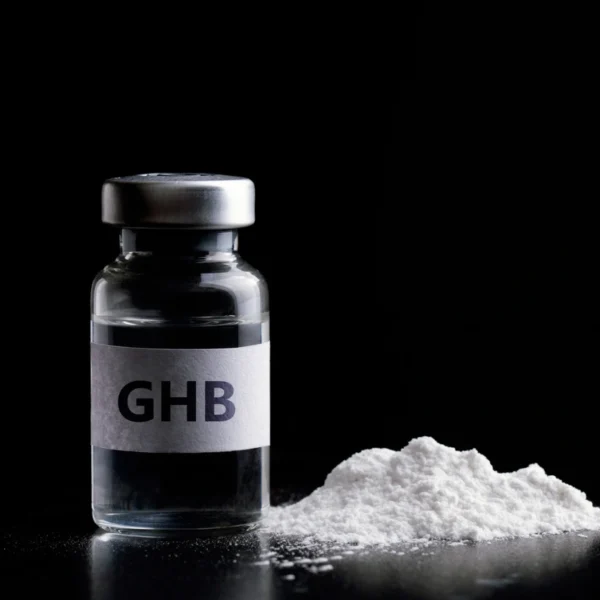
GHB is a powerful central nervous system depressant that is sometimes used recreationally for its euphoric and sedative effects. GHB use can be difficult to identify because the signs may resemble fatigue, alcohol intoxication, or other forms of substance use.
Here we will look at the physical, behavioural and psychological signs associated with GHB use…
What Is GHB?
GHB or gamma-hydroxybutyrate is a depressant that slows activity within the central nervous system. It is also known as the generic drug sodium oxybate and is sometimes prescribed in the US as a treatment for narcolepsy. GHB is not licensed for medical use in the UK and is a Class B controlled drug.
It is, however, increasingly used as a recreational drug and associated with nightlife settings. It carries a significant risk of overdose due to the narrow margin of dose safety.
How Does GHB Affect the Body and Brain?
GHB can affect the central nervous system, brain chemistry and neurological functioning. It binds to GABA-B receptors in the brain, which slows down brain activity to provide the drug’s sedative effects.
People who use GHB may experience a range of effects, including drowsiness, decreased anxiety, euphoria and hallucinations. It can also produce memory impairment. While it is primarily a depressant, it affects the central nervous system in ways that can trigger volatile reactions. Counterintuitively, this can lead to excitable and aggressive behaviour.
GHB effects can vary depending on a number of factors, including dosage, frequency of use and whether other substances are involved.
What Are the Immediate Signs of GHB Use?
Some common short-term signs of GHB use can include:
- Drowsiness
- Relaxation
- Euphoria
- Slurred speech
- Dizziness
- Reduced inhibitions
- Poor coordination
- Slowed reactions
These can often be mistaken for other forms of substance use, such as drunkenness or cannabis use.
Physical Signs of GHB Use
Physical signs of GHB use to watch out for can include:
- Excessive sleepiness
- Unsteady movements
- Sweating
- Nausea
- Vomiting
- Muscle weakness
- Slowed breathing
- Reduced responsiveness
Some of these GHB symptoms can start to develop soon after using the drug.
Behavioural Signs of GHB Use
Behavioural signs of GHB abuse can include:
- Sudden mood changes
- Risk-taking behaviour
- Increased sociability
- Unusual levels of relaxation
- Impaired judgement
- Memory lapses
- Periods of confusion
It is worth noting that behaviour may fluctuate significantly depending on dosage and other factors.
Psychological Signs of GHB Use
Mental and emotional effects of GHB use can include:
- Confusion
- Anxiety
- Disorientation
- Difficulty concentrating
- Agitation
- Emotional instability
Repeated use can have a cumulative effect, which can build up and affect mental wellbeing over time.
What Does a GHB Overdose Look Like?
An overdose of GHB can prevent the body’s ability to stay awake, breathe normally or maintain a regular heart rate, which can lead to unconsciousness, coma, brain damage and even death. A GHB overdose is considered to be a medical emergency that requires immediate attention.
Signs that others may notice can include a loss of consciousness or extreme drowsiness, often accompanied by slow or irregular breathing. The individual may be completely unresponsive and you may be unable to wake them.
Some other physical signs can include
- Vomiting
- Seizures
- Cold or clammy skin
- Floppy or rigid body
How Long Do the Effects of GHB Last?
The initial effects of GHB will typically start between 15 and 20 minutes after the drug is taken. The effects will generally peak between 30 and 60 minutes after taking, but can sometimes linger for up to three hours, or longer for large doses. The relatively short duration of the peak effects can sometimes encourage repeated dosing, increasing the overall risk.
Can You Tell if Someone Is Using GHB Regularly?
It is not always easy to tell if someone is using GHB, but long-term patterns are often easier to identify than isolated episodes.
With that in mind, people who are regularly using GHB may exhibit frequent episodes of intoxication. There may also be changes in social circles, unexplained absences, secretive behaviour and mood fluctuations. You may also notice disturbances in sleep patterns.
It’s worth noting that there may be alternative explanations for all of these things, including the misuse of other substances.
What Are the Signs of GHB Addiction?
There are also signs that users should be aware of that may indicate their usage is slipping into addiction.
These could include:
- Cravings
- Loss of control over use – using more frequently or in larger doses
- Increasing tolerance – needing more for the same effect
- Continued use despite negative consequences
- Prioritising drug use over responsibilities
- Experiencing withdrawal symptoms when you do not use GHB
What Are the Signs of GHB Withdrawal?
GHB withdrawal can be very uncomfortable and potentially dangerous, and should ideally be undertaken via a managed detox programme.
GHB withdrawal symptoms can include:
- Anxiety
- Insomnia
- Tremors
- Sweating
- Nausea or vomiting
- Headache
- Rapid heart rate
- Restlessness
- Irritability
In more serious cases, there may also be seizures and delirium. Severe GHB withdrawal can involve rhabdomyolysis (a condition in which damaged skeletal muscle breaks down) with secondary renal failure.
Why Is GHB Use Often Missed?
GHB addiction signs and signs of usage in general can often resemble other types of intoxication and general health issues. These could include alcohol and other drug use, fatigue, burnout and anxiety disorders. GHB is often used alongside other substances and so the effects can also be cumulative.
How Should You Respond if You Think Someone Is Using GHB?
There is no one right way to approach someone you think is using a drug like GHB but in general you should avoid confrontation while the person is intoxicated and approach conversations calmly. Express concern without judgement and encourage the person to seek professional support.
When Should You Seek Support for GHB Use?
Professional help may be necessary in cases of addiction or where there is a heightened risk of harm. Indicators could include frequent use, signs of dependence, an inability to stop using the drug and negative impacts on daily life. Withdrawal symptoms and overdose incidents are other clear warning signs.
Quitting can be very difficult without expert help, but professional drug rehab and treatment services can address the physical and psychological aspects of substance misuse and addiction.
Call us today on 0330 107 2950 for more information about our rehab clinics.
 United Kingdom
  Richmond Drive, Watford, WD17 3BG

 Spain
Spain