
Does Alcohol Cause Breathing Problems?
 12th January 2024
 N/A
N/A
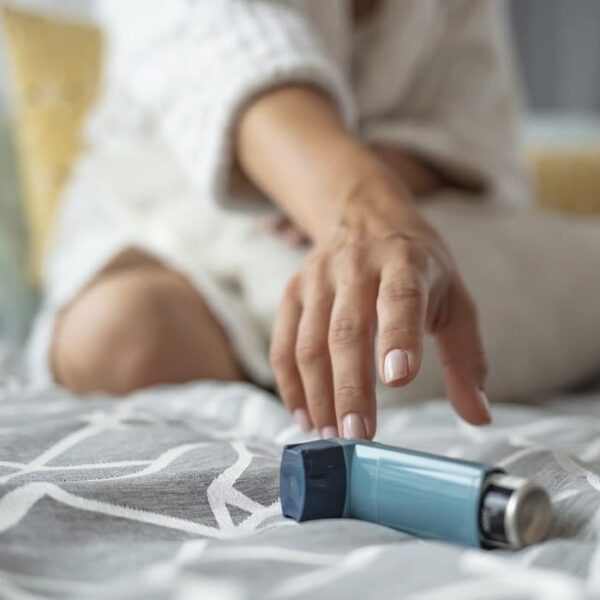
Alcohol is a common part of social life in the UK, but its impact on physical health is often misunderstood. While most people are aware of hangovers and liver damage, fewer realise that alcohol can directly affect breathing. For some people, drinking alcohol can lead to shortness of breath, disrupted sleep, worsened lung conditions and, in serious cases, life-threatening respiratory problems.
In this article, we look at the long-term effects of alcohol on the body’s respiratory system, and highlight why it’s important that both occasional and regular alcohol drinkers are aware of all of the risks. Plus, we’ll answer the common question ‘Can alcohol cause shortness of breath?’
Can Alcohol Cause Shortness of Breath?
Yes, alcohol can cause shortness of breath. This can happen immediately after drinking or develop over time with regular or heavy alcohol use.
Alcohol is a central nervous system depressant, meaning it slows down messages between the brain and the body. Breathing is controlled by the brain, so when alcohol interferes with this process, breathing can become slower, shallower or irregular. In some people, this leads to feelings of breathlessness, tightness in the chest or the sensation of not getting enough air.
Shortness of breath after drinking alcohol may feel mild for some people, but for others it can be severe and dangerous, especially if there is an underlying health condition.
How Alcohol Affects the Respiratory System
The respiratory system includes the lungs, airways and muscles that allow you to breathe. Alcohol can interfere with this system in several ways.
Respiratory Depression
Alcohol slows down the nervous system, which reduces the brain’s ability to regulate breathing. This can cause:
- Slower breathing rate
- Shallow breaths
- Reduced oxygen intake
- Increased carbon dioxide levels in the blood
In extreme cases, especially with binge drinking or alcohol poisoning, breathing can become dangerously slow or even stop altogether.
Alcohol-Induced Breathlessness
Alcohol and shortness of breath can also become very dangerous. For this reason, it is essential that people practise responsible drinking in order to minimise any breathing problems.
Alcohol can cause blood vessels to widen and muscles to relax. This may lead to feelings of breathlessness, particularly when lying down or after physical activity. By consuming alcohol in moderation and at a slower rate, the body is better able to process it more effectively, which reduces the risk of breathing complications.
Allergic-Like Reactions to Alcohol
Some people experience breathing problems due to intolerance or sensitivity to alcohol. This may be linked to ingredients such as sulphites or histamines found in wine, beer and spirits. Symptoms can include:
- Wheezing
- Chest tightness
- Nasal congestion
- Shortness of breath
Why Alcohol Makes Existing Breathing Conditions Worse
Alcohol does not just cause breathing problems on its own. It can also worsen existing respiratory conditions, making symptoms more severe and harder to control.
Asthma and Alcohol
People with asthma are more likely to experience breathing problems after drinking alcohol.
Alcohol can:
- Trigger airway inflammation
- Increase mucus production
- Causes bronchoconstriction (tightening of the airways)
Common symptoms include coughing, wheezing, chest tightness and shortness of breath after alcohol. Wine and beer are frequent triggers due to sulphites and histamines.
If alcohol regularly worsens your asthma symptoms, it is essential to reduce or avoid drinking and speak to your GP or asthma nurse.
Alcohol and Sleep Apnoea
Sleep apnoea is a condition where breathing repeatedly stops and starts during sleep. Alcohol significantly increases the risk and severity of this condition.
Alcohol relaxes the muscles in the throat, which can cause the airway to collapse during sleep. This leads to:
- Loud snoring
- Pauses in breathing
- Gasping or choking during sleep
- Reduced oxygen levels
Alcohol before bed can turn mild sleep apnoea into a serious health risk, increasing the chance of heart disease, stroke and daytime fatigue.
Alcohol, Snoring and Poor-Quality Sleep
Many people believe alcohol helps them sleep, but this is a myth.
While alcohol may help you fall asleep faster, it disrupts the normal sleep cycle. This leads to:
- Shallow breathing during sleep
- Increased snoring
- Frequent awakenings
- Reduced oxygen intake
Poor-quality sleep places extra strain on the lungs and heart and can worsen breathing problems over time.
Chronic Alcohol Use and Lung Disease
Long-term or heavy alcohol consumption can lead to lasting damage to the respiratory system.
Chronic Obstructive Pulmonary Disease (COPD)
Heavy drinking has been linked to an increased risk of COPD, a long-term lung condition that causes persistent breathing difficulties.
Alcohol can weaken the immune system and reduce the lungs’ ability to repair themselves. In people who smoke or have existing lung disease, alcohol significantly increases the risk of severe complications.
Increased Risk of Chest Infections
Chronic alcohol use weakens the body’s natural defences, making it harder to fight infections. This increases the risk of:
- Pneumonia
- Bronchitis
- Lung infections
These infections can be life-threatening, particularly in older adults or those with weakened immune systems.
Alcohol Poisoning and Breathing Failure
Alcohol poisoning is a medical emergency. One of the most dangerous effects is breathing suppression.
Signs of alcohol poisoning include:
- Slow or irregular breathing
- Blue-tinged lips or fingertips
- Unconsciousness
- Gurgling sounds
If someone is struggling to breathe after drinking, emergency medical help is required immediately.
Who Is Most at Risk of Alcohol-Related Breathing Problems?
Some people are more vulnerable to breathing difficulties after alcohol, including:
- People with asthma or COPD
- Those with sleep apnoea
- Individuals who smoke
- Older adults
- People with alcohol dependence
If you fall into any of these groups, alcohol-related breathing problems can develop quickly and become severe
How to Reduce Breathing Problems Caused by Alcohol
Breathing problems linked to alcohol are often a warning sign that the body is under strain. While occasional mild symptoms may improve with simple changes, persistent or worsening breathlessness should never be ignored.
Reducing alcohol-related breathing problems requires a combination of awareness, lifestyle adjustments and, in some cases, medical support.
Follow Alcohol Guidelines, But Listen to Your Body
Moderation is key when it comes to alcohol intake and will also reduce any of the above risks. Ensure that your alcohol consumption is within the recommended limits. It’s also important to know your tolerance levels to maintain your respiratory health. Set clear limits and track how much alcohol you have consumed to stay within your boundaries.
If alcohol causes shortness of breath, wheezing or chest tightness, your body may be signalling intolerance or an underlying respiratory issue. Reducing intake below recommended limits (or avoiding alcohol entirely) may be necessary to protect your health.
Avoid Drinking in the Evening or Before Sleep
Alcohol consumed in the hours before bedtime significantly increases the risk of breathing disturbances during sleep. It relaxes the throat muscles, suppresses breathing signals from the brain and lowers oxygen levels.
To reduce night-time breathing problems:
- Stop drinking at least three to four hours before bed
- Avoid alcohol if you snore or have suspected sleep apnoea
- Do not combine alcohol with sedatives or sleeping tablets
These steps can greatly improve sleep quality and reduce overnight breathing complications.
Identify Drinks That Trigger Breathing Symptoms
Certain alcoholic drinks are more likely to cause breathing problems than others. Wine, beer and cider often contain sulphites and histamines, which can trigger airway inflammation, especially in people with asthma or allergies.
Keeping a simple symptom diary can help you identify patterns between specific drinks and breathing difficulties. Once identified, avoiding these triggers can significantly reduce symptoms.
Manage Underlying Health Conditions
If you have asthma, COPD, sleep apnoea or another respiratory condition, alcohol can interfere with treatment and worsen symptoms. Using inhalers as prescribed, attending regular health reviews and avoiding known triggers are essential steps.
Alcohol should never replace or interfere with prescribed medication. If breathing problems worsen after drinking, speak to your GP or respiratory specialist promptly.
Know When to Seek Medical Advice
Breathlessness after alcohol should always be taken seriously if it:
- Happens frequently
- Worsens over time
- Occurs at rest or during sleep
- Is accompanied by chest pain, dizziness or confusion
These symptoms may indicate respiratory depression, sleep apnoea or other serious conditions that require medical assessment.
When Alcohol Use Becomes a Serious Health Risk
Alcohol-related breathing problems are not just uncomfortable, they can signal significant and potentially life-threatening health issues. When breathlessness becomes persistent, severe or occurs alongside other symptoms, alcohol use may be placing dangerous strain on the body.
Breathing Problems as a Sign of Alcohol Dependence
Frequent breathing difficulties after drinking can indicate that alcohol is affecting the central nervous system and respiratory muscles. Over time, repeated exposure increases the risk of respiratory depression, reduced oxygen levels and long-term lung damage.
If breathing problems only improve when alcohol use is reduced or stopped, this may point to physical dependence and the need for professional support.
Increased Risk of Medical Emergencies
As alcohol tolerance increases, people often drink more to feel the same effects. This significantly raises the risk of alcohol poisoning, where breathing becomes dangerously slow or irregular.
Alcohol poisoning is a medical emergency and can lead to:
- Breathing failure
- Loss of consciousness
- Brain damage due to oxygen deprivation
- Death
Breathing problems in this context should never be managed alone.
Long-Term Damage to Lungs and Immune Function
Chronic alcohol misuse weakens the immune system and reduces the lungs’ ability to clear bacteria and toxins. This increases the likelihood of:
- Recurrent chest infections
- Pneumonia
- Long-term lung inflammation
- Worsening COPD or asthma
These conditions can permanently reduce lung capacity and quality of life if alcohol use continues.
Interaction With Other Health Conditions
Alcohol-related breathing problems are especially dangerous for people with heart disease, obesity, smoking-related lung damage or sleep apnoea. In these cases, alcohol multiplies existing risks and significantly increases the likelihood of serious complications.
Ignoring breathing symptoms can delay diagnosis and treatment of underlying conditions that may otherwise be manageable.
When Professional Help Is Essential
If alcohol use is causing ongoing breathing problems, failed attempts to cut down, or fear about stopping due to withdrawal symptoms, professional help is essential.
Medically supported treatment can:
- Safely manage withdrawal
- Reduce respiratory risks
- Address both physical and psychological dependence
- Improve long-term health outcomes
Early intervention not only protects breathing but can also prevent life-threatening complications.
Get Help Today
Being aware of the potential impact that alcohol can have on your body is important for anyone who consumes alcohol, both occasionally and regularly. By adopting responsible drinking habits, you can mitigate some of the risks associated with breathing.
If you need any additional support or want more information about breathing difficulty after drinking alcohol, contact your GP. Alternatively, at Step 1 Recovery, we offer resources and assistance and can help you to take the first and essential steps towards your recovery.
If you struggle with alcohol addiction, get in touch with us today by filling out our contact form or phoning +44 (0) 800 012 6006.
 United Kingdom
  Richmond Drive, Watford, WD17 3BG

 Spain
Spain