
Does Alcohol Raise Blood Pressure?
 18th June 2026
 N/A
N/A
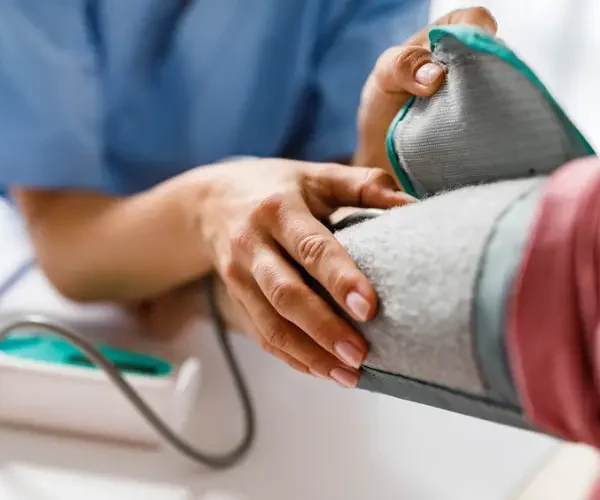
High blood pressure is one of the most common health conditions in the UK. What’s more, millions of adults are living with it, often without realising it.
There are many causes of it and one topic of discussion has always centred around alcohol and its impact on blood pressure. In this article, we answer ‘does drinking alcohol increase blood pressure’, the link between the two and explain how you can support your own long-term health in a better way.
What Is Blood Pressure?
Blood pressure is the force of blood pushing against the walls of your arteries as the heart pumps blood around the body. It can be measured using two numbers, which are systolic and diastolic blood pressure.
- Systolic blood pressure: the pressure when the heart contracts and pumps blood.
- Diastolic blood pressure: the pressure when the heart relaxes between beats.
Having healthy blood pressure means that blood, oxygen and nutrients can effectively reach the body’s organs. When your blood pressure remains elevated, the heart and blood vessels are working harder, increasing the risk of illness and cardiovascular disease.
High blood pressure, officially known as hypertension is referred to as a silent condition because many people have no obvious symptoms until serious complications develop.
Can Alcohol Cause High Blood Pressure?
Yes, alcohol does raise blood pressure and it can do so immediately after drinking. Studies have also shown that these effects can become more significant over time if drinking alcohol is excessive or frequent. This is why it is recommended to reduce your alcohol intake in a bid to manage healthy blood pressure.
The Link Between Alcohol and Blood Pressure
Alcohol affects several systems around the body, all of which help to regulate blood pressure. This includes:
- Blood vessel function – Alcohol impacts how blood vessels expand and contract, which can make it more difficult for the cardiovascular system to regulate pressure effectively.
- Hormone regulation – Certain hormones have roles in maintaining healthy blood pressure and alcohol can interfere with this.
- Increased heart rate – drinking alcohol can temporarily increase your heart rate, which can place additional strain on the cardiovascular system.
- Nervous system effects – Alcohol interacts with your nervous system which can affect blood pressure control and cardiovascular function.
- Weight gain – Alcohol contains lots of sugar which can contribute to weight gain, a risk factor for hypertension.
Together these effects put your heart and blood vessels under additional pressure.
Can Alcohol Cause Temporary Blood Pressure Spikes?
Yes, blood pressure often rises after consuming alcohol, especially after heaving drinking sessions. What’s more, while short-term increases may return to normal once alcohol has left the body, repeated episodes of drinking alcohol can result in long-term cardiovascular problems.
Can Drinking Alcohol Cause Long-Term High Blood Pressure?
Research suggests that regular and excessive alcohol consumption can lead to chronic hypertension. And some findings have even revealed that the risk increases as alcohol consumption does. This means that people who are regularly consuming alcohol are more likely to develop high blood pressure compared to those who don’t drink or who drink less.
How Much Alcohol Is Too Much?
The NHS recommends that adults shouldn’t drink more than 14 units of alcohol per week, with units spread across three or more days.
To put this into perspective:
- A pint of average-strength beer contains around 2-3 units
- A large glass of wine may contain roughly 3 units
- A single measure of a spirit typically contains at least 1 unit
Binge drinking can be hard on the body, and it’s been linked to quite substantial fluctuations in blood pressure. Studies show that repeated binge drinking may:
- Increase the chances of blood pressure spikes
- Raise your heart rate
- Increase the risk of irregular heart rhythms
- Contribute to long-term hypertension
- Increase cardiovascular disease risk
Can Moderate Drinking Raise Blood Pressure?
Yes. Research has shown that even a small amount of alcohol can contribute to higher blood pressure for some people. This is known as alcohol hypertension, although the risk is generally lower than with heavy drinking.
It’s worth noting that there are factors that can influence an individuals risk including:
- Genetics
- Existing cardiovascular health
- Age
- Weight
- Lifestyle factors
- Overall drinking patterns
The most important thing to remember is that while occasional and moderate drinking might pose less of a risk than heavy alcohol use, no level of alcohol consumption is without its potential health repercussions.
Who Is Most at Risk of High Blood Pressure and Alcohol?
Some people are more vulnerable to alcohol-related increases in blood pressure. This includes those with:
- Existing hypertension
- Family history of high blood pressure
- Older age
- Obesity
- Smoking
- Physical inactivity
- Heavy alcohol consumption
What’s more, if someone has multiple risk factors, the risk increases even more.
What Other Health Problems Can Alcohol Cause?
High blood pressure is one health concern associated with alcohol consumption, but it has also been linked to:
- Heart disease
- Stroke
- Liver disease
- Weight gain
- Sleep problems
- Mental health difficulties
The good news is that blood pressure, and many of the conditions listed above, improve when alcohol consumption is reduced or stopped. When combined with healthy lifestyle changes, these improvements can be even greater too.
When Does Drinking Become a Cause for Concern?
If you’re drinking alcohol regularly, it can be difficult to know when consumption is starting to cross the line into problematic. Warning signs of this include:
- Finding it hard to cut back
- Drinking despite health concerns
- Regularly exceeding recommended limits
- Strong cravings for alcohol
- Withdrawal symptoms when not drinking
- Alcohol starting to impact work, relationships or wellbeing
For some people, cutting back can be difficult and professional support can be helpful. That’s where we come in with our medically supervised detoxification, therapy, counselling, relapse prevention planning and ongoing recovery support.
So, if alcohol use is becoming difficult to manage or it’s affecting your health, reach out today for support.
 United Kingdom
  Richmond Drive, Watford, WD17 3BG

 Spain
Spain