
Why Is My Body Rejecting Alcohol All of a Sudden?
 23rd August 2024
 N/A
N/A
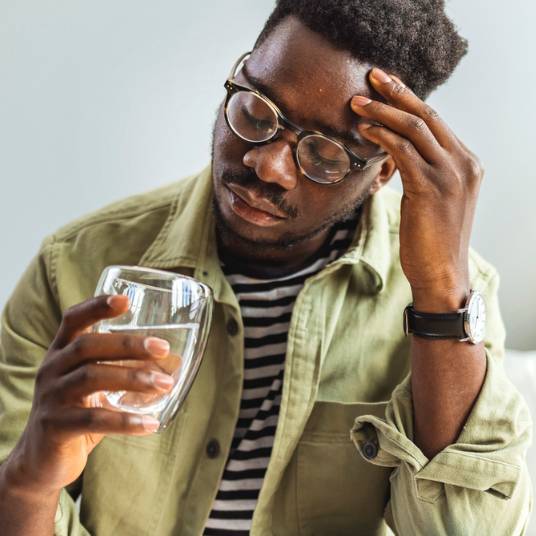
No matter what, drinking has a cost. Alcohol addiction, diseases, accidents and bad hangovers are all potential consequences of drinking.
Many of these consequences are down to the fact that alcohol is a toxin and overall is not good for your body. Now, you may have heard of the “Asian glow” and how some people get flushed when they drink alcohol. This is not just a random quirk and is a sign of the body rejecting alcohol.
The condition is known as alcohol intolerance and is more common than you think, affecting around 8% of the world’s population. It can happen for several reasons and develop abruptly.
If you have suddenly felt more ill after drinking alcohol, you may have developed this condition. It’s important to know about it, what the causes are and how you can manage it.
Understanding Alcohol Intolerance
Alcohol intolerance is a metabolic disorder of the digestive system. Being a metabolic disorder means that it affects your metabolism – how your body changes and uses energy. The condition can be genetic, meaning that the mutated gene is passed down through the generations. Having the mutated gene doesn’t mean you’ll automatically suffer from the condition as you can develop sudden alcohol sensitivity later in life.
It is different from an alcohol allergy as that is a problem based on your immune system. If you have an alcohol allergy then you are allergic to a substance in the alcoholic drink you’re drinking and your body responds to that.
Alcohol intolerance is often confused with having an alcohol allergy or a reaction to how certain drugs interact with alcohol. This can be down to similar symptoms occurring. The alcohol intolerance symptoms can develop rapidly and include:
• Flushing
• Nausea
• Headaches
• Rapid heartbeat
• A runny or stuffy nose
Common Causes of Sudden Alcohol Intolerance
Sudden alcohol sensitivity can occur for other reasons than just genetics. There are many causes for why your body has started rejecting alcohol that you need to be aware of.
Genetics
The most common cause of the condition is genetics. The genetic predisposition towards alcohol intolerance means having an ALDH2 deficiency. This deficiency means you have decreased levels of the enzyme aldehyde dehydrogenase which breaks down the toxic acetaldehyde in alcohol into non-toxic chemicals. With decreased ALDH2 levels, you do this much more slowly.
Metabolism
Even if you don’t have ALDH2 or other enzyme deficiencies, you can still be affected. The efficiency of enzymes, and by extension your metabolism, varies from person to person. If your enzymes are not as active then alcohol is not processed as quickly – leaving higher levels of acetaldehyde in your body for longer.
Your metabolism can also be affected by hormonal changes. These could be natural ones, such as changing oestrogen levels in women but also stress can impact your metabolism due to stress increasing cortisol levels.
Age
The condition can develop due to age. This can be down to a higher body fat percentage that occurs naturally and as you age your liver health declines – making it less efficient. You are also more likely to take medication as you get older and this medication can interact badly with alcohol.
Medical Conditions
Liver disease, gastrointestinal issues and medical conditions such as Hodgkin’s Lymphoma can cause alcohol intolerance. People with Hodgkin’s will find that their affected lymph nodes become painful after drinking. The other conditions are more likely to occur if you suffer from an addiction to alcohol or other substances.
Diagnosing Alcohol Intolerance
Before dealing with the symptoms, you need to conclusively find out the cause. Getting this clarification from a healthcare professional is so important to planning your next steps and making the correct changes. There are many steps a doctor can take to diagnose you.
Medical history – by reviewing your medical history a doctor can see if you have any other allergies, autoimmune conditions or other problems that may indicate what is causing your issues.
- Physical examination – a doctor can assess your symptoms and use the examination to further rule out any other potential causes.
- Allergy testing – you may take part in various types of allergy testing. You can try an elimination diet – removing foods and drinks from your diet to find out what is causing your issues. To do this you simply take out alcohol for a time and then in a controlled setting drink a small amount of alcohol and see if symptoms recur. You can also have a skin test, meaning your skin is pricked with certain substances to find it if this causes a reaction. This is done to see if you are suffering from an alcohol allergy rather than alcohol intolerance.
- Genetic testing – a doctor can use tests to identify an ALDH2 genetic mutation in your body.
Managing and Coping with Alcohol Intolerance
While the symptoms caused by alcohol intolerance are rarely life-threatening, they can be difficult to live with. There are some changes you make in your life to manage the condition and live a happier life.
Avoiding Alcohol
Detoxing from alcohol and then avoiding it altogether is the best way to stop any symptoms. By eliminating alcohol from your life, you end the bad effects and get a load of health benefits. If you are cutting out alcohol completely, make sure you read the labels of food and medication so you are aware of the hidden alcohol sometimes present in these things.
Drinking in Moderation
Depending on the severity of your condition, moderating your drinking could be enough to ease any effects. You could try lower alcohol content drinks, drink smaller amounts and avoid mixing drinks.
Do Different Things
You don’t always need alcohol to socialise. Take up a sport, do yoga, start a book club or drink mocktails and other alcohol-free beverages when you go out. The world is a big place and there is plenty to do in it.
Lifestyle Changes
Making yourself physically and mentally healthier can help you cope with your alcohol intolerance symptoms. Exercise regularly and eat a balanced diet to reduce the impact of alcohol intolerance. Exercising and practising mindfulness and getting into therapy can help you reduce stress and anxiety which also impacts the condition.
Long-term Health Implications of alcohol
Having an alcohol intolerance doesn’t mean just getting flushed when you drink. The condition can have long-term health consequences that you need to consider.
• Increased risk of gastrointestinal cancers
• Liver disease
• Alcohol-related brain problems
• Heart issues
Living with the symptoms that this condition causes and other problems related to alcohol can be bad for your mental health also. You should consult a healthcare professional to get medical advice and make changes to your lifestyle to avoid any serious complications down the line.
Seeking Help and Support
If you think you have developed alcohol intolerance then you should get professional help. It also may be an indication that you have a problem with drinking and we at Step 1 can help. We are an alcohol rehab offering comprehensive personalised treatment programmes that can help you manage your condition and end your alcohol dependence.
For more info on the luxury Step 1 experience – which includes detox, therapies and well-being treatments – get in touch now by calling us at 0330 107 2950
Sources:
https://pubmed.ncbi.nlm.nih.gov/31649957/
 United Kingdom
  Richmond Drive, Watford, WD17 3BG

 Spain
Spain