
Why Do I Turn to Alcohol When Stressed?
 18th October 2024
 N/A
N/A
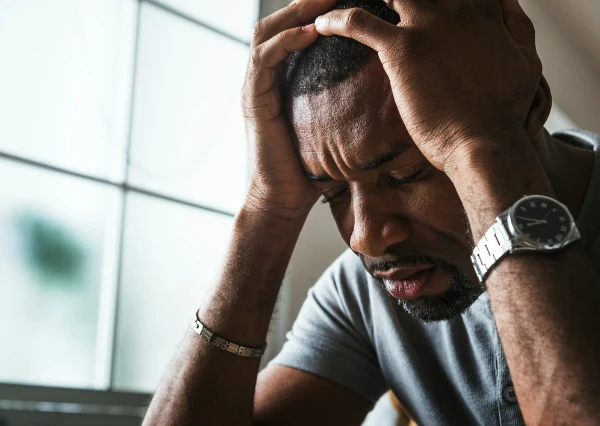
If you’ve ever found yourself reaching for a drink when stress levels go through the roof, you’re certainly not alone.
Whether it’s a tough day at work, family tension, or a feeling of being overwhelmed by life’s challenges, alcohol can seem like a quick solution. Many people believe a drink or two will help them relax, forget their worries, or calm down after an exhausting day. However, while alcohol might provide temporary relief, the long-term effects of using it as a stress reliever can lead to serious problems, including dependence or addiction.
In this blog, we’ll explore why so many people turn to alcohol when stressed, the biological and emotional factors behind this behaviour, and most importantly, how to break the cycle. Whether you’re in recovery, seeking help, or just trying to understand yourself better, this guide will offer insights that can help you find healthier ways to manage stress.
And if you’re struggling to overcome alcohol dependence, residential rehab centres offer a safe, supportive environment to help you recover, offering step-by-step guidance for a successful journey.
Why Do I Turn to Alcohol When Stressed?
Alcohol does have a calming effect. When we have a drink, it directly impacts the part of our brains responsible for inhibition. This results in feeling calmer, more relaxed and more confident. But, the reasons behind this are more complex than they might appear.
The Temporary Relief of Alcohol
Alcohol is a depressant. This means it slows down brain activity and can initially make you feel more relaxed or less anxious. This is why it’s often considered a quick fix to unwind after a stressful situation. After consuming alcohol, you may feel its effects almost instantly, and this can look like your body becoming more relaxed, your thoughts slow down, and you may even feel a temporary mood lift.
In the short term, alcohol can dull your mind, reduce tension, and give a feeling of euphoria. This creates a perception that alcohol is helping manage stress. However, the truth is that this relief is very short-lived, and the downsides far outweigh any temporary benefits.
The Biology of Stress and Alcohol
Our bodies have a natural mechanism which is supposed to help us deal with stress. This mechanism is called the fight, flight, freeze or fawn response. A quick overview of these responses is as follows:
- Fight: we believe we can take on something we’ve perceived as dangerous, so we prepare to tackle it head-on.
- Flight: we believe we can’t overcome the threat, so we prepare to run from the threat.
- Freeze: fight and flight responses fail, so our ability to respond or react becomes stunted, and we appear ‘frozen’. There is no action to the threat.
- Fawn: This response means we attempt to appease the threat in the interest of self-preservation. Fawning is often found in those with a history of neglect or abuse.
When we’re stressed, our brains will release hormones known as adrenaline and cortisol. These hormones prepare our bodies to face danger – increasing our heart rate, raising blood pressure, and heightening our alertness.
When alcohol is consumed, it slows down the central nervous system. This means alcohol can reduce the heightened responses to stress and make us feel temporarily relaxed.
So, our natural coping mechanism doesn’t work as it should when under the influence, and things that we might have registered as dangerous or threatening don’t register as urgently as they would if we were sober. But, over time, drinking to cope with stress can interfere with your body’s natural ability to manage stress naturally, which may increase your dependence on alcohol to feel calm.
Emotional Numbing and Escapism
For many, alcohol becomes a tool to “numb” the emotional pain that comes with stress. And with 1 in 9 of adults feeling stressed on a daily basis in the UK, it’s no surprise that some turn to alcohol as a coping mechanism, despite the potential for it to make both their physical and mental health worse in the long run.
Emotional distress, such as anxiety or depression, can lead someone to seek escape from their feelings. Alcohol, with its sedative and very fleeting calming effects, provides an easy way to disconnect from painful emotions temporarily.
Unfortunately, using alcohol in this way only provides a band-aid solution. It doesn’t resolve any of the underlying causes of stress or emotional distress, and it can make things worse by disrupting our ability to work on having healthy coping mechanisms.
Over time, turning to alcohol to escape stress can develop into a harmful cycle where it’s difficult to face stressful situations without a drink in hand.
Why Alcohol Actually Makes Stress Worse
Alcohol might seem like it helps in the moment, but it’s essential to understand that it can worsen stress in the long run. Here’s why:
The Anxiety and Stress That Comes After Drinking
Once the alcohol wears off, you’re left with a body that’s still dealing with the effects of stress, but now it’s also dealing with the physiological impacts of alcohol. This combination often leads to something called rebound anxiety, which is also a reaction that can happen when someone stops taking prescription medication abruptly.
Essentially, once the alcohol leaves your system, your body might become even more sensitive to stress than before.
Alcohol interferes with the brain’s production of serotonin and other chemicals that help regulate mood. As a result, when the alcohol wears off, you may feel even more anxious or stressed than before you started drinking. This can create a vicious cycle where you start drinking more frequently to escape these feelings, leading to increased dependence on alcohol.
Impairing Problem-Solving Abilities
One of the bigger problems with using alcohol to cope with stress is that it doesn’t solve the issue causing the stress. In fact, alcohol impairs cognitive function and decision-making, making it more difficult to deal with problems effectively.
Rather than resolving the cause of your stress, you may find that it lingers, growing worse as alcohol prevents you from tackling the root issue.
Alcohol Disrupts Sleep
Stress often affects sleep, and alcohol might seem like a solution because it can make you feel sleepy. However, alcohol actually disrupts the quality of your sleep. It interferes with the REM (rapid eye movement) stage of sleep, which is crucial for restorative rest. As a result, you might wake up feeling tired, irritable, and even more stressed. The lack of proper sleep can make it even harder to deal with daily stressors, creating a vicious cycle.
Our Physical Health Deteriorates
Long-term alcohol use to cope with stress can lead to a range of physical health issues, from liver damage to heart disease.
Chronic stress already puts strain on the body, and when alcohol is added to the mix, it can amplify these harmful effects.
Over time, the combination of stress and alcohol abuse can lead to more significant health problems, which in turn create even more stress. A dangerous cycle that’s hard to break without help.
How to Manage Stress Without Alcohol
If you’re someone who reaches for alcohol when you’re stressed, it’s important to know that there are healthier and more effective ways to manage your stress. Here are some practical strategies to help you cope without turning to alcohol.
Understand Your Stress Triggers
The first step to managing stress is to get comfortable with being able to identify the situations or emotions that trigger your stress.
Common triggers might include work pressures, relationship conflicts, financial issues, or feeling like you’re not good enough. Understanding your stressors can help you anticipate and manage them before they lead you to reach for a drink.
Build a Healthy Routine
Having a structured daily routine that includes time for relaxation and self-care can make a significant difference in how you handle stress.
Incorporating physical activity (even if it’s just light forms), such as walking, yoga, or swimming, into your routine can help reduce stress naturally. Exercise releases endorphins, which are natural mood lifters, helping you feel better without the need for alcohol.
Eating a balanced diet, getting enough sleep, and making time for hobbies or activities you enjoy is also key to managing stress in a healthy way. When your body and mind are well-nourished, you’ll be better equipped to handle stress without resorting to alcohol.
Mindfulness and Relaxation Techniques
Mindfulness and relaxation techniques are effective tools for managing stress.
Practices, which could be having a go at meditation sessions or working on deep breathing exercises, can really help calm your mind and reduce stress without the need for alcohol.
These techniques are designed to help your mind remain firmly in the present, manage your thoughts, and approach stress with a clearer mindset.
Build a Support System
One of the most important steps in managing stress without alcohol is building a strong support system.
Having people to talk to, whether it’s friends, family, or a support group, can make a big difference when you’re feeling overwhelmed. Sometimes, just talking about your problems can reduce stress, and loved ones can provide encouragement and help you find alternative ways to cope.
Consider Professional Help
If you find that your stress is overwhelming and you’re consistently turning to alcohol to cope, it may be time to seek professional help. A trained counsellor or therapist can help you identify the underlying causes of your stress and develop healthier coping strategies.
If you’re struggling with alcohol dependence, residential rehab can be an incredibly effective option. In rehab, you’ll receive professional support to help you break free from alcohol, learn new ways to handle stress and begin your recovery journey in a safe, supportive environment.
Worried About Alcohol Abuse? Take the First Step Towards Recovery
If you’ve found yourself turning to alcohol when stressed and feel like you’ve lost control, it’s essential to know that help is available. Stress is a natural part of life, but relying on alcohol to cope can lead to harmful consequences, including alcohol addiction.
We offer comprehensive programmes designed to help you break free from alcohol dependency and develop healthier, more sustainable ways of managing stress. Our experienced team provides individualised care so that you can regain control of your life in a safe and supportive environment.
Contact us today to learn more about how our residential rehab programmes can help you on your journey to recovery. Taking the first step is the hardest part, but you don’t have to do it alone – call us on 0330 107 2950.
 United Kingdom
  Richmond Drive, Watford, WD17 3BG

 Spain
Spain