
What Is Pink Cocaine?
 09th August 2024
 N/A
N/A
When it comes to illicit drugs, new and dangerous substances are continually surfacing. And sadly, each one brings its own set of risks and complications.
One such drug that has recently gained attention is now known as pink cocaine. Despite its name, pink cocaine is not actually a variant of traditional cocaine but a distinct and potent substance with serious medical implications for those who use it.
In this blog, we’ll explore what pink cocaine is, its many potential side effects, risks, and why it has become a cause for concern.
What Is Pink Cocaine?
Pink Cocaine, also known as tucibi or “2C-B“, is a synthetic hallucinogen that belongs to the 2C family of drugs.
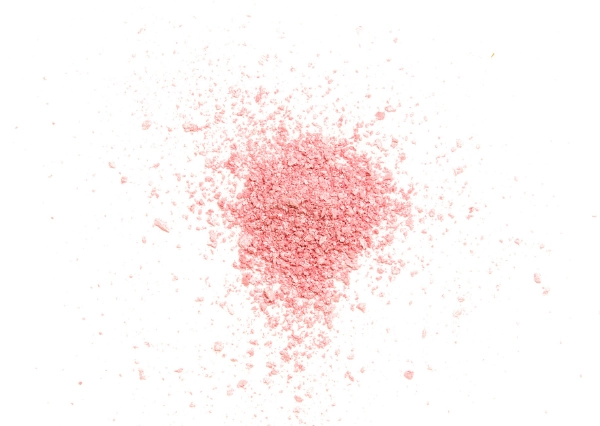
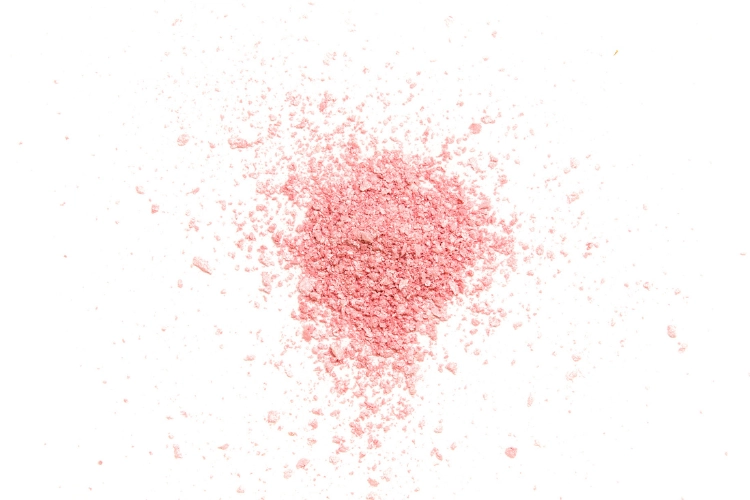
The name “pink cocaine” is somewhat misleading, as it suggests a form of cocaine when, in reality, it is entirely different in both composition and effects. The drug is typically found in powder form and can have a pinkish colouring, which is how it earned its street name.
Where Does Pink Cocaine Originate From?
Although this designer drug is now gaining some traction, pink cocaine is not a new drug. It was actually developed by chemist Alexander Shulgin, who first manufactured 2C-B back in the 1970s.
It started gaining popularity back in the 1980s and 1990s, especially in rave and nightclub scenes, due to its psychedelic properties. This trend has now resurfaced once again.
Initially, 2C-B was marketed as a legal alternative to MDMA (Ecstasy) and other hallucinogens before it was classified as a controlled substance in many countries, including the UK.
What Are the Effects of Pink Cocaine?
The effects of pink cocaine can vary widely depending on the dose and the individual’s personal physiology. However, it’s known for its potent psychoactive and hallucinogenic properties.
Pink cocaine’s common effects include (but are not limited to):
- Euphoria: Users often report feelings of intense happiness and well-being.
- Hallucinations: Visual and auditory hallucinations are very common, with users experiencing altered perceptions of reality.
- Changes to the senses: Enhanced senses, particularly vision and touch, are often reported.
- Extroverted: Similar to MDMA, 2C-B can make users feel more sociable than usual.
Physical effects often involve:
- Increased heart rate: Users may experience tachycardia, which can be dangerous for individuals with heart conditions.
- Elevated blood pressure: This can lead to other complications, especially when combined with other stimulants.
- Nausea and vomiting: Some users report gastrointestinal discomfort.
- Muscle tension and jaw clenching: These are common side effects similar to those experienced with MDMA.
What’s Inside Modern-Day Pink Cocaine?
Nowadays, pink cocaine is a drug that typically contains a mix of various psychoactive substances.
The main ingredients usually include ketamine, MDMA (also known as ecstasy), and sometimes pink food colouring to give it its distinctive colour.
Pink cocaine samples have also revealed that other substances, such as caffeine, amphetamines, and even synthetic opioids, might be added, making its composition highly variable and unpredictable.
What Are the Key Risks and Dangers of Pink Cocaine?
Some of the effects of pink cocaine might sound appealing, but the risks associated with its use are significant.
Psychological Risks Associated With Pink Cocaine Abuse
- Bad trips: Hallucinogens can cause intense and frightening experiences. A bad trip can lead to panic attacks, severe anxiety, and paranoia.
- Psychosis: High doses or frequent use can trigger psychotic episodes, particularly in individuals predisposed to mental health conditions.
- Dependence: Although not traditionally considered addictive, the substances mixed within this modern version make pink cocaine addictive. Some users may also develop a psychological dependence on the drug’s effects.
Physical Risks Associated With Pink Cocaine Abuse
- Risk of overdose: The line between a recreational dose and an overdose can be thin. Overdosing on Pink Cocaine can lead to severe health complications, including seizures, hyperthermia, and, in extreme cases, death.
- Cardiovascular issues: This synthetic drug can have an impact on heart rate and blood pressure and can be dangerous, particularly for those with underlying heart conditions.
- Dehydration and electrolyte imbalance: Similar to other stimulants, 2C-B can lead to dehydration, especially in party settings where users might dance for extended periods without adequate hydration.
Why Is Pink Cocaine Becoming a Cause for Concern?
The resurgence of pink cocaine is troubling for several reasons.
Its popularity in party scenes means it is often used in environments where users might mix it with alcohol and/or other substances, increasing the risk of bad reactions and overdose.
Additionally, the drug’s legal status and classification as a designer drug make it more difficult to regulate and control.
Illicit Production and Distribution
Like many synthetic drugs, 2C-B is often produced in unregulated labs. This leads to significant variability in purity and potency, increasing the risk of unintentional overdose.
The illicit nature of its production also means that it can be cut with other dangerous substances, further complicating its use and increasing the potential for harm.
The Appeal to Younger Users
The colourful appearance of pink cocaine, coupled with its euphoric and hallucinogenic effects, makes this pink powder particularly appealing to younger individuals. This demographic group is often less aware of the risks and more likely to engage in risky behaviours.
Legal Status of Pink Cocaine
In the UK, 2C-B is classified as a class A drug under the Misuse of Drugs Act 1971. This places it in the same category as heroin and cocaine, reflecting its high potential for harm and abuse. Possession, distribution, and production of 2C-B are illegal, carrying severe penalties.
What Are the Long-term Effects of Pink Cocaine?
Not enough research has been done on the long-term effects of pink cocaine, but it’s fair to say that, just like all street drugs, this is a dangerous psychedelic drug that comes with many long-term risks to an individual’s overall health and well-being if abused.
Given its close relationship to MDMA and other synthetic drugs, it’s likely that prolonged use could lead to a range of health issues. Users might experience mental health problems such as anxiety, depression, psychosis and even long-term memory loss.
There’s also the potential for a substance use disorder to develop, along with various physical health issues, including heart problems and liver damage.
As we touched on earlier, because it’s often mixed with other substances, the risk of pink cocaine addiction and the chances of experiencing unpredictable side effects are quite high. It’s a gamble that’s not worth taking.
Pink Cocaine Harm Reduction Strategies
For those who choose to use pink cocaine despite the risks, knowing harm reduction strategies is essential to minimise potential damage and keep yourself as safe as possible.
- Drug testing: Current drug tests are able to identify the substance’s purity and identify any harmful drugs that are mixed in, even if in small amounts. For example, bath salts and fentanyl are often found mixed into other drugs using these types of drug testing kits.
- Hydration: Drink water regularly to prevent dehydration, but avoid excessive water intake, which can lead to hyponatremia (water intoxication).
- Avoid mixing substances: Combining pink cocaine with other psychedelic drugs or alcohol can increase the risk of adverse reactions.
- Be aware of your surroundings: Use in a safe, controlled environment with trusted individuals who can assist in case of an emergency.
The Key Takeaways
Pink cocaine is a potent synthetic drug with significant risks. Despite its euphoric and sensory-enhancing effects, the potential for psychological and physical harm is high. Its appeal in party scenes and among younger users increases these risks.
Understanding the dangers and implementing harm reduction strategies can prevent some of the potential harm, but the safest course of action is to avoid using the drug altogether.
Seeking Help for Substance Addiction
If you or someone you know is struggling with substance use, it might be time to consider professional help.
At Step One Recovery Centre, we offer comprehensive support and rehabilitation services tailored to individual needs, providing a combination of treatment options for various drug addictions, including pink cocaine.
Core services offered here at Step One Recovery include:
- Detoxification (safe, medically supervised withdrawal from substances to manage symptoms).
- Addiction therapy (Various forms of therapy, including cognitive-behavioural therapy (CBT), to address underlying psychological issues).
- Ongoing support groups (Peer support to encourage a sense of community and shared experience, reinforcing the important message that you are not alone).
- Aftercare programmes (Ongoing support to prevent relapse and promote long-term recovery).
Call us today at +44 (0) 800 012 6006 for more information on how we can help you.
 United Kingdom
  Richmond Drive, Watford, WD17 3BG

 Spain
Spain