
What is Alcohol Fatigue Syndrome?
 20th May 2026
 N/A
N/A
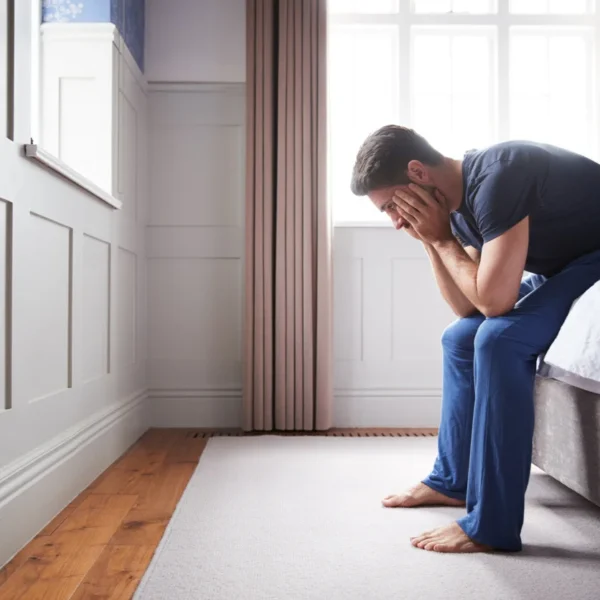
Excessive alcohol consumption can lead to a variety of health issues.
A significant issue when you drink excessively and regularly is with your sleep. Drinking alcohol, especially before going to bed, will result in less sleep time but also poorer sleep quality.
It’s important to know how alcohol can make you tired, what fatigue does to your body and how to recover from alcohol fatigue syndrome.
Can Alcohol Make You Tired?
While alcohol may initially make you feel drowsy and you feel it will help you to sleep, it can instead disrupt your sleep patterns if high quantities of alcohol have been consumed.
Alcohol raises epinephrine levels in your body. This is a stress hormone that increases your heart rate and stimulates your body, so it causes you to wake up in the night. This disruption will lead to less sleep time, even if you think alcohol helps you get to sleep more quickly.
Alcohol also impacts the quality of the sleep you are getting, affecting a stage of sleep called REM (rapid eye movement). This type of sleep is vital for memory formation, brain function and development. With less REM sleep, your brain has not recovered and processed information, leaving you tired and mentally drained.
You may fall asleep quicker and for the same amount of time as when sober, but the sleep you’ll get will be shallow and less restorative.
What is Alcohol Fatigue Syndrome?
Alcohol fatigue syndrome is not something you can be diagnosed with. It’s not a medical condition. But it’s a term that’s used to describe the deep tiredness people feel after drinking alcohol excessively, and also when they stop drinking. Experiencing this is always more likely after excessive or heavy alcohol misuse.
Alcohol is toxic to the body, affecting every organ. Your body has to process the alcohol you put in, which your liver, brain and hormones work hard to process and repair the effects of alcohol.
With more energy dedicated to processing and repair, you’ll feel more exhausted, unmotivated, and mentally foggy.
These symptoms can happen after a heavy night of drinking, but they’re more noticeable in people who are in early sobriety. This happens because the body is rebalancing chemicals in the brain, now that alcohol is no longer present.
Why Alcohol Disrupts Your Energy Levels
Beyond impacting your sleep, alcohol can disrupt your energy levels in many ways.
- Dehydration: Alcohol also causes dehydration, which leads to headaches, fatigue and low energy.
- Central nervous system: Alcohol is a depressant. This means it will slow down the brain and nervous system.
- Blood Sugar: Alcohol can cause your blood sugar levels to fluctuate. This will result in you feeling shaky and weak. This will deplete your energy levels.
Signs of Alcohol Fatigue Syndrome
The signs and symptoms of fatigue associated with alcohol use or excessive drinking can include:
- Feeling very tired: Those who have consumed excessive alcohol can experience tiredness that feels very severe.
- Impaired cognitive function: alcohol can cause brain fog, resulting in poor concentration, memory lapses, and slowed thinking.
- Restless sleep: Being able to fall asleep but waking up throughout the night.
- Low motivation: if you feel slow, fatigued, unable to concentrate or don’t feel like yourself, you may be experiencing alcohol fatigue syndrome.
Chronic fatigue can be debilitating and long-lasting, so it’s important to know how alcohol can impact the condition.
Is Chronic Fatigue Syndrome and Alcohol Fatigue Syndrome the Same?
No. Chronic Fatigue Syndrome (CFS) is a completely separate medical condition and is not the same as alcohol-related fatigue.
It’s a debilitating medical condition that causes persistent fatigue, which cannot be improved by resting. The cause of CFS is unknown, but experts believe it could be due to a combination of factors, including:
- genetics
- viral infections
- stress
- traumatic experiences
- immune system dysfunction
Using alcohol to cope will work against those suffering, increasing the risk of developing a dependence and developing alcohol fatigue syndrome.
Is Extreme Fatigue After Drinking Alcohol Normal?
Yes to an extent. Many people experience tiredness the day after drinking. Even if you feel as though you had a full night’s sleep without disturbance, alcohol causes poor sleep, leaving you fatigued the next day.
So, short-term fatigue after drinking is normal and is normally just part of a hangover.
But what’s not normal is to experience chronic, ongoing fatigue. If fatigue continues even when you’re not drinking, it may be a sign of something more serious.
How Long Does Post Alcohol Fatigue Last?
Fatigue can last for days after a bad night’s sleep, and if chronic fatigue syndrome and alcohol abuse are experienced, post alcohol fatigue can last for months. CFS and alcohol can have negative effects on your daily life, leading to fewer social interactions, general poor well-being, and impact relationships and work performance.
If you are feeling fatigued after binge or heavy drinking, this is normal and may last for 1-2 days.
Alcohol fatigue can last for significantly longer. If you struggle with an alcohol addiction and regularly experience disturbed sleep, it may be a continual symptom.
If you’re suffering from alcohol fatigue syndrome, you should consider treatment for alcohol addiction. By dealing with your addiction, you can help alleviate fatigue and improve your life.
When Should You Be Concerned About Fatigue?
Fatigue may not often cause you worry, but there are times when it should be taken seriously. You should talk to a medical professional about your fatigue if:
- Your fatigue is chronic
- You are a regular and heavy drinker
- Fatigue is interfering with your daily life
- Experiencing mental health issues
The issue won’t likely get better on its own, so it’s important you seek out professional help.
How to Recover From Alcohol Fatigue Syndrome
Before dealing with fatigue, you need to address the root issue of alcohol addiction. At Step 1 Recovery, you can gain access to a treatment programme that can give you the platform to build a sober life.
A comprehensive addiction treatment programme includes:
- Detox
- A combination of individual and group therapies
- Aftercare
Even after treatment, fatigue will likely be present. This is normal, and there are steps you can take to help recover from fatigue, including:
- Consistent sleep pattern
- Staying hydrated
- Regular exercise
- Eating a balanced diet
- Limiting caffeine
- Spend time outdoors and in natural light to regulate circadian rhythm.
Support Available for Alcohol Addiction
Chronic fatigue can impact all aspects of your life. You seek medical advice from your GP if you are showing signs of chronic fatigue syndrome and alcoholism. Your tiredness may be caused by something other than your alcohol use, so seeking professional medical attention is important for your well-being.
If alcohol addiction is the cause and you want to recover from alcohol fatigue syndrome, treatment is the first step in the recovery process. At Step 1 Recovery, we can help you overcome alcohol addiction at one of our rehab treatment centres.
Phone today on +44 (0) 800 012 6006 to learn more about our rehab programmes.
 United Kingdom
  Richmond Drive, Watford, WD17 3BG

 Spain
Spain