
What Does Fentanyl Do to You?
 13th March 2025
 N/A
N/A
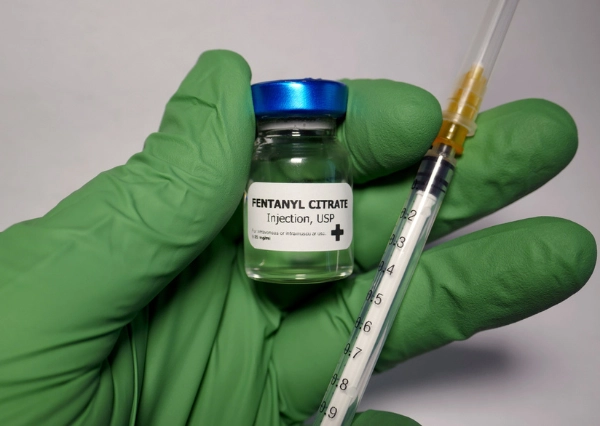
You might have seen headlines referring to a ‘fentanyl epidemic’. Fentanyl has been linked to hundreds of thousands of deaths in Canada and across the US but is also present on a lesser scale in the UK.
But what exactly is this drug, and what does fentanyl do to you?
What Is Fentanyl?
Fentanyl is an extremely strong synthetic opioid painkiller that is around 50-100 times stronger than morphine.
It is typically used for severe pain, such as that experienced following a serious injury or major operation or for the pain associated with cancer. It is only available on prescription in the UK and is counted as a Class A drug when not used medically under a legitimate prescription.
Because of its potency, fentanyl is extremely dangerous. It is highly addictive and can easily lead to overdose. As well as fentanyl that is legitimately made for medical purposes (but may still be subsequently misused), criminal gangs also make their fentanyl and similar synthetic opioids. Illicitly manufactured fentanyl has contributed to the opioid crisis worldwide.
How Does Fentanyl Affect the Body?
Like other opioids, fentanyl works by affecting opioid receptors in the brain. It is highly effective at blocking pain signals and causing relaxation, which is why it is used medically as an analgesic and anaesthetic. It can also produce a powerful sense of euphoria, and this, along with the relaxing effects, is why many people seek out the drug for misuse.
The effects of fentanyl on the body include a depression of the central nervous system. This can result in a number of noticeable effects, including slowed breathing, drowsiness and confusion. Fentanyl also depresses heart rate and respiratory function, and an overdose can be fatal.
Short-Term Effects of Fentanyl Use
The short-term effects of fentanyl include pain relief and drowsiness, both of which may be desirable in a medical setting. Other short-term effects of fentanyl use can include:
- Euphoria
- Nausea
- Confusion
- Constipation
- Sedation
- Problems breathing
- Unconsciousness
The drowsiness and confusion can lead to poor decision-making, an increased risk of accidents and behaviours that can put the user and others in danger. Even small amounts of fentanyl can suppress breathing to dangerous levels, especially if combined with other depressants such as alcohol or prescription sedatives.
The dangers of fentanyl use are increased when the drug is misused, but you can experience the above as side effects, even when using it as directed in a medical setting.
Long-Term Effects of Fentanyl Use
Fentanyl is highly addictive, and users can quickly develop a physical and psychological dependency on the drug. They can also develop a tolerance to the drug, meaning they need to take more for the same effect.
UK regulator the National Institute for Health and Care Excellence (NICE) has strict guidelines for medical professionals prescribing opioids, including fentanyl, and warns that they can lead to dependence and addiction, even at prescribed therapeutic doses.
Dependency can lead to a range of severe physical and psychological withdrawal symptoms when the drug is removed.
These can include:
- Nausea and vomiting
- Anxiety
- Insomnia
- Hot and cold flushes
- Perspiration
- Muscle cramps
- Watery discharge from eyes and nose
- Diarrhoea
Other long-term effects of fentanyl use can include lasting cognitive impairment or issues with concentration, memory and decision-making. Laboratory experiments have shown that opioids suppress the immune system, and a similar effect has been observed in human addicts and habitual opioid users. This can make the user more vulnerable to all kinds of secondary infections.
How Dangerous Is Fentanyl?
Fentanyl is responsible for a high number of opioid overdoses worldwide. Although numbers have dropped recently, there were an estimated 101,168 drug overdose deaths in the US in the year to April 2024, with the majority caused by opioids and particularly fentanyl. The situation is not as dire in the UK, but the misuse of synthetic opioids, including fentanyl, is on the rise, along with potential fentanyl overdose risks.
Fentanyl is so powerful that just two milligrams, about the size of 5 grains of salt, can cause difficulty in breathing and a potentially fatal overdose.
It can be even more dangerous when mixed with other substances that have a depressive effect on the central nervous system, including alcohol, other opioids, benzodiazepines and other prescription sedatives. Another risk is that fentanyl is often mixed into other illicit drugs such as heroin, cocaine and fake prescription pills without users knowing, increasing overdose risks.
Signs of a Fentanyl Overdose
The signs of a fentanyl overdose are similar to other types of opioid overdose and can include:
- Extreme drowsiness or unresponsiveness
- Slow or stopped breathing
- Pinpoint pupils
- Blue lips or fingertips
- Weak pulse or no pulse
It is vital to get medical assistance immediately if you believe you or someone else is experiencing an overdose of fentanyl or any other opioid.
A drug called naloxone can reverse the symptoms of an opioid overdose. It is often known by the brand name Narcan in the US, but in the UK, it is available as Prenoxad in a pre-filled syringe or Nyxoid in a nasal spray.
Fentanyl Addiction: Recognising the Signs
- Fentanyl addiction symptoms and signs could include:
- Increased tolerance – needing more for the same effect
- Seeking the drug out through illicit sources
- Experiencing strong cravings
- Feeling anxious about securing access to the drug
- Using other opiates in its place
- Trying and failing to stop or cut back
- Preoccupation with fentanyl and a lack of pleasure in other things
How to Seek Help for Fentanyl Addiction
Fentanyl is highly addictive, but dependency can be successfully treated. This will generally involve a supervised and medically assisted detox to safely get through the withdrawal symptoms, as well as a programme of therapies to address the psychological aspects of addiction and the root causes of substance misuse. Relapse prevention strategies and aftercare can also provide vital support in the weeks and months after treatment.
Fentanyl is extremely dangerous, and it’s essential to seek help for a problem as soon as possible in order to minimise the risks. If you are worried about yourself or a loved one, get in touch today to find out how we can help.
 United Kingdom
  Richmond Drive, Watford, WD17 3BG

 Spain
Spain