
Understanding Pethidine Addiction: Side Effects & Key Risks
 27th January 2025
 N/A
N/A
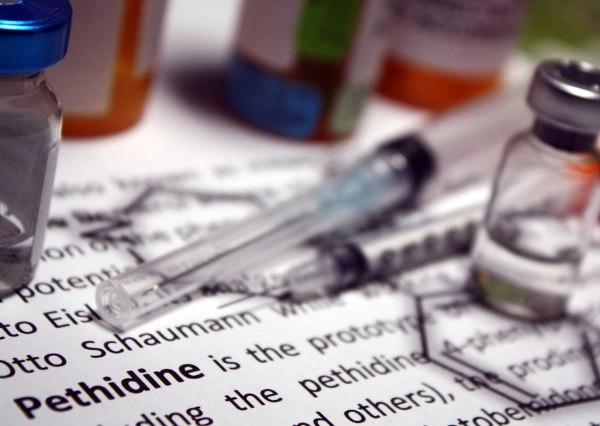
Pethidine, also known as meperidine, is a prescription opioid painkiller that is used in medical settings for moderate to severe pain.
Although it’s an effective pain relief medication, it does have serious risks and side effects associated with it – particularly the potential for addiction and abuse.
This article looks at the drug in more detail, as well as the risks of pethidine abuse, and explains various treatment options available if you or someone you know is struggling with pethidine addiction.
What is Pethidine?
Pethidine is a synthetic opioid commonly used to treat pain in labour, post-surgery recovery and in medical emergencies.
It gets to work quickly and interacts with the body’s central nervous system. But, due to its highly addictive nature, it was classified as a controlled Class A drug under the UK’s Misuse of Drugs Act 1971.
How Does Pethidine Work?
Pethidine binds to opioid receptors in the brain and spinal cord, blocking pain signals. As well as pain relief, it also leads to feelings of relaxation and euphoria, which is why some individuals, unfortunately, misuse the drug.
Unlike other opioids, pethidine is short-acting, which means frequent doses are required in order to maintain its effects. This can lead to dependency and addiction when it isn’t used in a controlled medical setting.
Can You Become Addicted to Pethidine?
In short, yes. Pethidine is highly addictive, and addiction can develop after prolonged use, even when it is prescribed legitimately. This is because, over time, the body builds up a tolerance requiring higher doses in order to achieve the same effects.
For some, pethidine addiction even begins after a medical prescription progresses into misuse. Often, individuals aren’t aware of the issue until it has become severe.
Side Effects of Pethidine Use
Some of the most common side effects of pethidine use include:
- Nausea and vomiting
- Drowsiness and dizziness
- Constipation
- Dry mouth
- Confusion
- Headaches.
More serious side effects include:
- Respiratory depression
- Seizures
- Tremors
- Hallucinations
- Paranoia
- Cardiac complications (e.g. arrhythmia and low blood pressure).
Studies show that long-term use of pethidine can cause severe damage to organs, including the liver and kidneys, which causes further complications when it comes to recovery and overall health.
Key Risks of Pethidine
One of the biggest risks of pethidine addiction is overdose, especially when the substance is used alongside alcohol or other depressants. Symptoms of an overdose include shallow breathing, bluish skin and loss of consciousness, which all require immediate medical attention.
Pethidine addiction can also take its toll on mental health, with individuals suffering from increased anxiety and depression, persistent mood swings and emotional instability, and cognitive decline such as memory loss.
There are various physical health risks, too, such as chronic fatigue, muscle weakness, respiratory system damage, weight loss and malnutrition.
Signs and Symptoms of Pethidine Addiction
Addiction can manifest in several ways, but it typically presents behavioural, physical and emotional symptoms.
For example, you might find that someone is doctor shopping or visiting lots of GPs in order to obtain multiple prescriptions. They may become secretive about their prescriptions and defensive when questioned, and they may also start to neglect personal and professional responsibilities.
Physically, you might notice slurred speech, constricted pupils or persistent drowsiness. You may even recognise withdrawal symptoms such as sweating, shaking and restlessness.
Addiction can also lead to extreme mood swings, paranoia and irritability as well as anxiety and depression without the drug. If you identify any of these symptoms in your loved ones, it’s important to discuss your concerns with them.
Recognising these signs early is essential for addressing the issue before it gets worse and ensuring your loved one gets the support they need.
Pethidine Withdrawal Symptoms
As mentioned, without pethidine, some individuals may experience withdrawal symptoms if their body has become dependent on it. This can be both physically and emotionally challenging and can include:
- Muscle pain and cramps
- Nausea
- Vomiting
- Diarrhoea
- Insomnia, sweating, chills, intense cravings and feelings of depression.
As a result of this, it is advised that individuals are medically supervised when detoxing from pethidine to ensure their safety and reduce discomfort.
Treatment Options for Pethidine Addiction
The first step towards pethidine addiction recovery is to detox, which can be done through medically assisted programmes for a safer experience.
During this period, medical professionals monitor and manage symptoms. Sometimes, rehabilitation is required to ensure a successful recovery. This can either be done as an inpatient or outpatient.
Inpatient rehabilitation offers a structured approach to care and includes therapy, nutritional support, and holistic practices like meditation and yoga. Outpatient recovery provides more flexibility and is ideal for those with less severe dependencies. Ultimately, it provides access to therapy while allowing individuals to maintain daily responsibilities.
As part of the recovery programme, individual and group therapy, as well as counselling, is often advised. Not only can it encourage peer support and emotional resilience, but the likes of cognitive behavioural therapy (CBT) are effective at identifying and addressing triggers and unhealthy behaviours and can help individuals create healthier coping mechanisms.
Aftercare is essential for relapse prevention, which is why so many rehabilitation programmes often include follow-up appointments, support groups and strategies for long-term sobriety.
How Step One Can Help
At Step One, we offer tailored treatment programmes designed to meet individual needs, and we also take a holistic approach to addiction recovery.
We use comprehensive assessments, personalised recovery plans, 24/7 guidance and support, and ongoing aftercare support services to address both the physical and emotional aspects of addiction. In doing so, we empower every individual to reclaim their life.
Pethidine addiction is serious but treatable. Recognising the problem and getting help early can prevent further challenges and pave the way to recovery.
So, if you or someone you know is struggling, why not get in touch with Step One for advice and treatment options? Together, we can navigate this journey, just like we have helped so many other people and their families to do the same.
 United Kingdom
  Richmond Drive, Watford, WD17 3BG

 Spain
Spain