
Is There a Link Between Alcohol and Paranoia?
 24th February 2025
 N/A
N/A
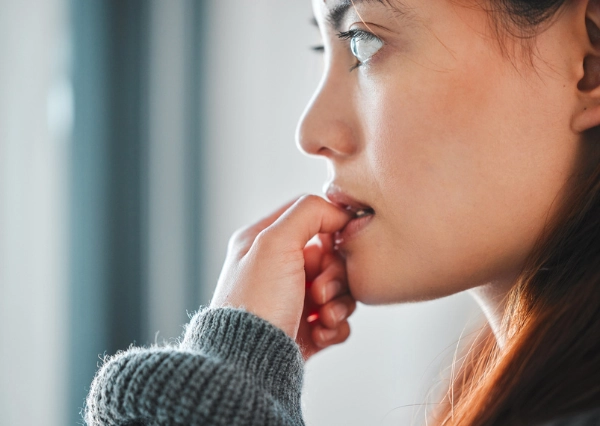
Wondering why alcohol and paranoia seem to go hand in hand for some people?
When someone drinks alcohol, it affects the brain in many ways. Even just a small amount of alcohol can impact mood regulation, cognitive function and perception. While moderate drinking might not cause significant issues, excessive and prolonged alcohol use can. Some individuals may also experience exacerbated mental health concerns.
This blog post explores the connection between alcohol and paranoia, why it occurs, and the long-term effects you need to be aware of. You’ll also find information on alcohol-induced psychosis and who may be most at risk of developing this condition.
What is Paranoia?
Paranoia is a mental state that is characterised by irrational fears, suspicion and distrust. It affects people differently and can range from a mild feeling of unease to severe delusional thinking. Depending on the severity of the condition, it can also impact someone’s daily life significantly.
Some of the most common signs of paranoia include a fear of being watched, judged or harmed, feeling overly defensive or hostile, experiencing a constant mistrust of others, overanalysing social situations and assuming negative thoughts and intentions.
Paranoia can be a symptom of many mental health conditions, such as anxiety and schizophrenia. However, it can also be induced by substances.
Does Alcohol Cause Paranoia?
Alcohol is a depressant that alters the central nervous system and affects neurotransmitter activity. At first, alcohol disrupts the body’s dopamine and serotonin levels, which is why some people experience mood swings, depressive symptoms and anxiety.
It can also impair judgment and lead to impulsive decisions and heightened emotions. Studies also show that alcohol consumption can change the way individuals interpret a situation and make them more prone to suspicion and fear.
As a result of this, alcohol can also lead to paranoia. By misinterpreting situations, individuals can experience unnecessary suspicion and fear. Heightened emotions and lowered inhibitions also make people more prone to distress and anxiety. Plus, the aftermath of drinking, including poor sleep, chemical imbalances and dehydration, can all take a toll on physical and mental health, increasing feelings of anxiety, depression and paranoia.
When Does Paranoia Become Dangerous?
In extreme cases, alcohol can lead to a condition called alcohol-induced psychosis, which is where individuals suffer from severe paranoia, delusions and hallucinations. Those who have drunk alcohol excessively and for prolonged periods are more at risk of this. However, those going through alcohol withdrawal can also experience severe withdrawal symptoms called delirium tremens (DTs), which can also manifest as confusion, hallucinations, agitation and paranoia.
If you or someone you know is experiencing alcohol-induced paranoia, or it becomes severe or persistent, it can indicate an underlying mental health disorder that requires medical help.
Who is Most at Risk of Alcohol-Related Paranoia?
Just like any other mental health disorder, anyone can be affected. However, certain factors increase the likelihood of someone experiencing paranoia because of alcohol use. This includes those who already suffer from mental health conditions, including depression, anxiety and schizophrenia.
Individuals who partake in binge drinking or who have consumed alcohol excessively for a prolonged period are also susceptible because the alcohol will have altered their brain chemistry. Not to mention, they will suffer from the long-term effects of alcohol on the brain.
It’s also important to note that dehydration and a lack of sleep can worsen the symptoms of alcohol and hangovers, leading to a greater risk of paranoia. Therefore, if you know that you will be drinking alcohol, it’s a good idea to prioritise a healthy diet, plenty of water intake before and after, and also try to rest. This will help you to recover from alcohol consumption and make you feel better – both physically and mentally.
How to Manage Alcohol-Induced Paranoia
If you experience any of the symptoms mentioned above after drinking, it’s likely that you are suffering from alcohol-induced paranoia. To prevent further complications and to ensure a healthier relationship with alcohol, there are several steps you can take to reduce the impact of alcohol on your body.
To start, you should consider reducing your intake to improve your mood and cognitive function. Mindfulness and relaxation techniques such as meditation, deep breathing and yoga can also help to manage any anxiety and paranoia you are experiencing.
Finally, if you continue to struggle with paranoia or perhaps are unable to reduce the amount of alcohol you consume, then why not consider medical intervention and therapy?
Getting Help for Alcohol Dependence & Mental Health
If you are struggling with mental health and your alcohol intake, it’s important that both are addressed in order for long-term and successful recovery. It may be that you require a structured rehabilitation programme and alcohol detox to manage alcohol withdrawal and paranoia safely while rebuilding healthy habits with personalised treatment and support.
Although every rehab centre will have its own strategies, studies show that cognitive behavioural therapy (CBT) is a practical approach for reducing paranoia, anxiety and alcohol dependence.
This is just one type of therapy that we offer at Step 1 Recovery. In fact, we provide tailored and proven treatment plans that address both alcohol-related paranoia and addiction. We’ve helped hundreds of people get their lives back on track, and you could be next.
Take the First Step Today
The link between alcohol and paranoia is obvious, and while occasional paranoia after drinking might be temporary, there is a risk of more severe and persistent symptoms. That’s why it’s so important to seek professional help if you are struggling with alcohol and mental health.
Not just that, but teams like the one at Step 1 Recovery can provide personalised treatment plans to help you reduce your alcohol intake, better manage your relationship with alcohol and build healthier coping mechanisms.
Combining proven therapy, counselling and holistic approaches, you can get support for alcohol and anxiety disorders while getting your life back on track. So, if you or a loved one are struggling, reach out to Step 1 Recovery today for guidance and support. We guarantee you won’t look back.
 United Kingdom
  Richmond Drive, Watford, WD17 3BG

 Spain
Spain