
How Long Does Fentanyl Stay in Your System?
 06th August 2024
 N/A
N/A
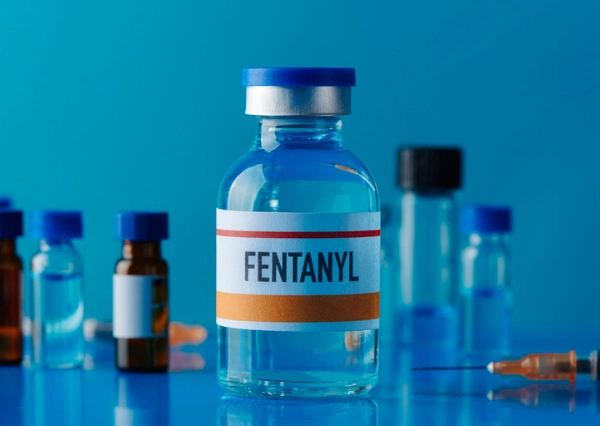
Although there are legitimate medical uses for this substance, fentanyl is increasingly being used recreationally.
In the US, the situation surrounding the drug is often referred to as a ‘fentanyl epidemic’, with nearly 75,000 overdose deaths linked to fentanyl and similar synthetic opioids in a single year.
The situation is not as bad in the UK, but increasing use of the drug is still worrying, particularly due to fentanyl’s strength, addictiveness and the potential for overdose. Because a build-up of the drug can increase the risks of these issues, it’s important to understand how long fentanyl stays in the system.
What is Fentanyl?
Fentanyl is a powerful synthetic opioid – meaning it has been designed and made in laboratory settings to act on the same areas of the brain as natural opioids like morphine and codeine. It is similar to morphine in many ways but is around 50 to 100 times more potent.
Like other opioids, fentanyl provides pain relief by acting on areas in the spinal cord and brain to block the transmission of pain signals. It is generally used to treat severe pain, such as following a serious accident or operation or the pain from cancer.
It may be prescribed in place of weaker painkillers if they have stopped working. It can also work to reduce the anxiety and stress caused by pain.
However, it also has a number of other potential effects, including euphoria and extreme relaxation, and it is for these effects that people often use the drug recreationally.
It can also have less pleasant or riskier side effects, including:
- Constipation
- Feeling or being sick (nausea or vomiting)
- Stomach pain
- Feeling sleepy or tired
- Feeling dizzy or a sensation of spinning (vertigo)
- Confusion
- Headaches
- Itching or skin rashes
Medical fentanyl can be very dangerous if misused, but there is also illicit fentanyl on the market, which is illegally made. It may be cut with other drugs, and it is very difficult to know the dosage or strength, making this type of fentanyl even more dangerous.
How is Fentanyl Metabolised in the Body?
Drug metabolism in the body is a complex process that involves the system breaking down and expelling the active ingredients of the drugs.
In the case of fentanyl, this is mainly done through a process known as hepatic metabolism. The formation and structures of human fentanyl metabolites are not fully understood, but it is known that metabolism occurs first in the liver and possibly the small intestine.
Fentanyl has a half-life of around 7 hours, which means that it takes 7 hours for half of the dosage taken to be metabolised.
It will usually take up to 72 hours for 75% of a dose of fentanyl to be expelled via urine – with 7% being peed out unchanged. In that time, a further 9% will be excreted. Traces of fentanyl may stay in the system for considerably longer.
These times can vary, though and factors that affect fentanyl metabolism can include:
- Age
- Gender
- Body mass
- Body fat percentage
- Hydration status
- Liver function
- Genetics
- Dosage
- Frequency of use
- Method of delivery (oral, intravenously etc)
Detection Times for Fentanyl in Different Tests
Drug tests look for traces of particular substances in the system. They may be undertaken in a number of situations, including the workplace, following a road traffic accident, on suspicion of certain crimes, as part of some healthcare situations and in sporting administration. Fentanyl does not show up in most routine tests and, in general, must be targeted in testing.
The most common test used to detect fentanyl in the system is a urine test.
This can typically detect fentanyl up to 72 hours after usage, although studies have detected a fentanyl metabolite up to 96 hours (4 days) after use. Blood tests may detect fentanyl for up to 48 hours after use, and hair follicle tests for up to three months, although these tests are not routinely administered.
Fentanyl is not currently easily detectable in saliva, even shortly after use, so this test is not considered suitable for this particular drug.
Researchers at the University of Texas at Dallas have recently developed a new technique using electrochemical sensors, however. This could provide urine tests for fentanyl much quicker than current methods, with the potential to detect the drug in saliva and improve hair follicle testing.
The Risks of Fentanyl Accumulation in the Body
Fentanyl is a synthetic opioid that is up to 50 times stronger than heroin and 100 times stronger than morphine. This potency makes it extremely dangerous, with a high risk of overdose – helping to explain the more than 70,000 annual deaths in the US.
Fentanyl overdose can cause the breathing to slow or stop, decreasing the amount of oxygen that reaches the brain. This condition – known as hypoxia – can lead to a coma, permanent brain damage and death.
The risk of overdose and other health impacts can increase if there is already fentanyl in the system as you are essentially adding to the dosage.
If fentanyl is mixed with other drugs, you might not even know that you have taken it previously, but it can still accumulate. Even properly prescribed fentanyl can be dangerous and should only ever be taken as directed.
Seeking Help and Support
If you or someone you know is struggling with fentanyl or any other opioid, it is important to get the right information and help as soon as possible.
Fentanyl is extremely addictive as well as very dangerous, and it can be very difficult to quit without expert help.
Find Help for Fentanyl Addiction Today
At Step One Recovery, we have a wealth of experience helping people recover from addiction to different substances – including synthetic opioids like fentanyl.
We can help you to detox safely and address the psychological aspects of addiction and the root causes of substance misuse. Get in touch today to find out how we can help.
 United Kingdom
  Richmond Drive, Watford, WD17 3BG

 Spain
Spain