
Can You Get Addicted To Ozempic?
 05th September 2024
 N/A
N/A
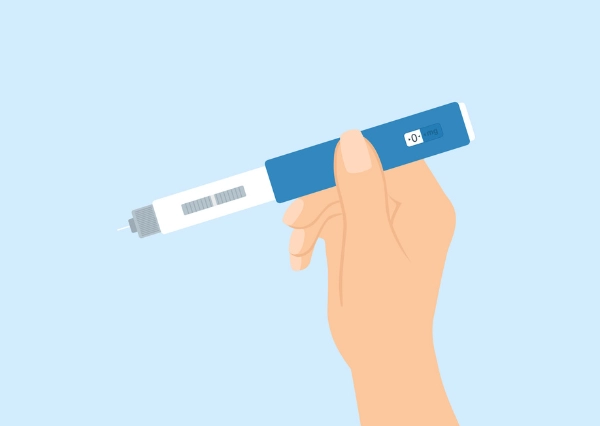
Ozempic is a type of medication that is primarily used to treat and manage type 2 diabetes. However, it’s recently gained attention for its ability to aid with fast and significant weight loss.
As well as this, there are growing concerns about its potential for addiction – which is why it’s so important that those using Ozempic are aware of the risks and benefits associated with it.
In this blog, we look at Ozempic in more detail, as well as its uses and the potential for addiction and dependency.
What Is Ozempic?
Ozempic is a prescription medication used to manage blood sugar levels in people with type 2 diabetes. It contains liraglutide, a GLP-1 receptor that mimics the function of the GLP-1 hormone.
This hormone is responsible for insulin production and glucagon secretion. It also slows gastric emptying.
Uses Of Ozempic Beyond Diabetes
Although initially used to manage diabetes, Ozempic has also gained popularity as a weight loss drug.
Some studies have found that liraglutide can lead to significant weight loss in those with diabetes. The drug then gained the attention of individuals without diabetes who were seeking a solution for obesity and weight management.
While Ozempic isn’t a licensed weight loss treatment in the UK, its active ingredient can help you feel fuller for longer and reduce cravings.
Alongside healthy eating and consistent exercise, Ozempic can be very effective when it comes to losing weight. In a study of 175 patients who were deemed overweight or obese, the total body weight loss after using the drug for just three months was slightly under 6% and just under 11% after six months.
Understanding Addiction And Dependency
As with any drug, there is always the risk that users may become dependent or addicted to it. So, to fully understand the potential and risks of Ozempic addiction, it’s important to look at the differences between addiction and dependency.
Addiction is a chronic condition where users feel a strong urge to use drugs or alcohol despite negative consequences. On the other hand, physical dependency is when the body has adapted to a drug and experiences withdrawal symptoms without it. Psychological dependence is when someone has an emotional and mental attachment to a substance, which means they feel like they can’t function without it.
When a dependence has been created, individuals are also likely to build a tolerance of the substance, which means a higher dose is required to experience the same desired effects.
Medications can cause physical dependence if taken consistently, leading to addiction. For example, many people may be dependent on medication and pain relief for a chronic condition without showcasing harmful and addictive behaviours.
Can You Get Addicted To Ozempic?
There is no substantial evidence to suggest that Ozempic leads to addiction, but it’s important to remember that research into this drug is still in its early stages.
One reason that experts believe Ozempic has little addictive potential is that it doesn’t produce a high sense of euphoria, which is commonly associated with other addictive drugs like opioids or benzodiazepines.
Jena Shaw Tronieri, an assistant professor of psychiatry and director of clinical services at the Centre for Weight and Eating Disorders at the University of Pennsylvania’s Perelman School of Medicine, explains, “I have had a number of patients describe that…there is some reason to believe that that could be one of the effects.”
Another professional, Dr. Lorenzo Leggio, has published a study showing that semaglutide (the main active ingredient in Ozempic) reduces alcohol drinking in rodents. This is because the drug impacts both the brain and the gut. “One of the mechanisms of how these drugs reduce alcohol drinking is by reducing the rewarding effects of alcohol, such as those related to a neurotransmitter in our brain, which is dopamine… So, these medications are likely to make alcohol less rewarding”. Despite this, concerns have been raised about Ozempic and its off-label use for weight loss.
While studies show that semaglutide is an effective weight loss drug, there is a potential that users might develop a psychological dependence on Ozempic to maintain their weight. While different from addiction, dependence on Ozempic still requires careful consideration and medical supervision.
Ozempic also has a range of side effects, including (but not limited to):
- Sickness
- Digestive issues
- Abdominal pain
- Swollen lymph nodes.
- Breathing difficulties.
- Rashes.
- Swelling to the face.
- Potential pancreatitis.
These can vary in severity and cause long-term health issues if left untreated, which is why it’s so essential that Ozempic is only ever used under medical guidance.
Managing Ozempic Use Safely
As with any medication, those who are prescribed Ozempic should follow the advice and consult their healthcare team regularly to ensure safe and proper use of the drug.
It’s important that individuals do not adapt their dose without speaking to a doctor, and side effects should be reported immediately. Healthy eating and engaging in exercise can also support an individual’s health goals without the use of Ozempic.
It’s also essential to remain aware of the potential risks and benefits of any medication you take so you can make informed decisions about your health and treatment.
The Key Takeaways
Although Ozempic is a powerful and effective medication for managing type 2 diabetes and has been shown to aid weight loss, care must be taken when using it because of the potential for dependency, although the chances of this occurring are slim, according to what is known by researchers so far.
However, you can achieve your health goals more quickly by following medical advice and using Ozempic alongside healthy lifestyle changes.
 United Kingdom
  Richmond Drive, Watford, WD17 3BG

 Spain
Spain