
Alcoholic Gastritis: 7 Warning Signs
 15th November 2024
 N/A
N/A
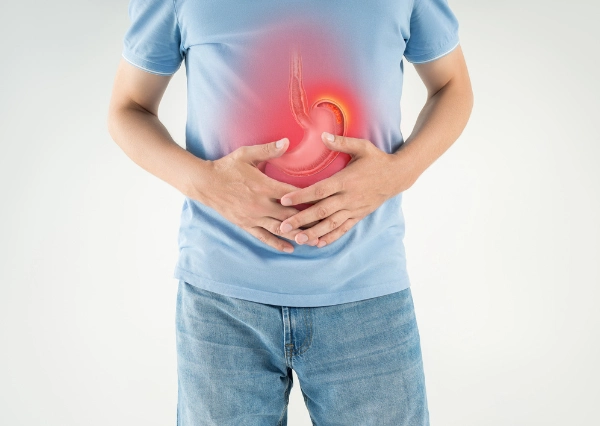
If you drink regularly or have a history of heavy drinking, it’s important to understand the impact that alcohol can have on your stomach.
One of the most common health conditions associated with excessive alcohol consumption is alcoholic gastritis – where the stomach lining becomes inflamed, leading to serious health problems and discomfort.
In this article, we look at alcoholic gastritis in more detail and explain how it develops, how alcohol affects the stomach lining, and the warning signs to know about.
What Is Alcoholic Gastritis?
Alcoholic gastritis is when the stomach lining becomes inflamed due to regular and excessive consumption of alcoholic beverages. It occurs when alcohol irritates and damages the mucosal lining that protects the stomach from its own digestive acid.
Over time and with frequent alcohol use, this protective barrier can erode, resulting in inflammation, pain and ulcers.
When some consume alcohol, the body stimulates the stomach to produce more acid, which, when combined with the irritation caused by alcohol, can lead to gastritis.
In mild cases, an individual might experience discomfort, but in severe cases, it can lead to bleeding, ulcers and long-term stomach issues. Untreated, alcoholic gastritis can even become chronic and lead to serious health concerns like stomach cancer.
Understanding the Risks of Alcohol and Stomach Inflammation
Alcohol is harmful to the stomach for many reasons.
First of all, it weakens the stomach’s protective mucous barrier, which is supposed to prevent harsh acids from the stomach from damaging tissue elsewhere in the body.
Secondly, alcohol increases the production of stomach acid, which means the stomach is more at risk of irritation. And finally, alcohol irritates the stomach lining, which increases the risk of inflammation and ulcers.
Those who drink heavily or binge are more at risk of stomach concerns like gastritis. What’s more, chronic alcohol consumption, especially in large quantities, puts constant pressure on the stomach and its lining and can result in long-term damage.
Warning Signs of Alcoholic Gastritis
If you consume alcohol regularly or in excess, it’s important to be aware of the signs of alcoholic gastritis so that you can seek medical help before symptoms become worse.
Abdominal pain
One of the first symptoms of gastritis is a dull or burning pain in the stomach.
It’s often felt in the upper part of the abdomen and can be worse after drinking alcohol. It can feel like bloating or cramping and may be relieved by temporarily eating. However, it often returns after a few hours.
Sickness
Alcohol irritates the stomach lining, which can result in nausea and vomiting, especially after drinking.
When the stomach is irritated from alcohol, your body will try to relieve itself from some of the excess acid and irritation, again resulting in vomiting. If this occurs regularly after alcohol consumption, it could be a sign of gastritis.
Appetite changes
Those with gastritis often lose their appetite because they are in discomfort. Pain, sickness and a feeling of fullness can make it challenging to eat, and this loss of appetite may also result in weight loss over time.
If you’re avoiding eating because of stomach pain, you should consider whether gastritis could be the cause.
Bloating and gas
Alcohol can cause a buildup of gas in the stomach and intestines, leading to bloating and discomfort.
Excess gas can make the abdomen feel full and tight, and alcohol will only exacerbate symptoms. For this reason, it’s important to pay attention to your stomach health, especially after drinking, to see if there could be a link.
Acid reflux
Acid reflux occurs when stomach acid flows back into the oesophagus, resulting in discomfort and even long-term damage if not addressed.
An increase in stomach acid after drinking can lead to heartburn and acid reflux. So, if you’ve ever experienced a burning sensation in your chest or throat after drinking alcohol, it might be that your stomach lining is irritated.
Fatigue
Ongoing gastritis can leave you feeling weak and tired because the stomach struggles to absorb nutrients due to inflammation.
The pain you’re experiencing can also take a toll on your sleep and energy levels – all of which will contribute to feelings of being unwell.
Blood
If you vomit blood or find blood in your stools, this can indicate severe stomach damage and can be potentially life-threatening.
For example, bleeding ulcers caused by chronic gastritis are a very serious condition and require immediate medical attention.
If you experience any blood, get in touch with a medical professional, as it could be a sign of a serious complication that requires urgent treatment.
Why You Shouldn’t Ignore Alcoholic Gastritis
Ignoring any of the above symptoms can lead to long-term consequences.
If untreated, gastritis can develop into chronic gastritis, which is not only harder to treat but can lead to permanent damage to the stomach lining.
In severe cases, it can also lead to the development of ulcers, gastrointestinal bleeding and an increased risk of certain cancers. However, early detection and treatment can prevent these long-term complications and also help you to manage any symptoms more effectively.
Getting Help for Alcoholic Gastritis
If you recognise any of the warnings mentioned above signs, it’s essential to seek medical help.
A healthcare professional will be able to perform tests that will confirm your diagnosis and the severity of the condition. There is treatment for gastritis, too, and it typically involves medication to reduce stomach acid and heal the damaged lining.
Your doctor may also recommend a series of lifestyle changes, such as reducing or avoiding alcohol altogether.
If you do want to reduce your alcohol consumption, you should try to alternate alcoholic drinks with water, limit the number of drinks you have each week and also don’t be afraid to reach out for help. Support groups or professional treatment programs can assist you in managing alcohol use.
Alcoholic gastritis is a serious condition that can cause significant pain and long-term health issues if left untreated. But, by recognising the early signs of alcoholic gastritis and being proactive when it comes to managing your alcohol intake, you can manage your health and also prevent any further complications.
Reach Out for Alcohol Addiction Support Today
If you’re worried about your alcohol intake, seek medical help as soon as possible.
At Step 1 Recovery, we can help you overcome alcohol abuse by providing expert support and personalised treatment programmes. Contact us today for more information.
 United Kingdom
  Richmond Drive, Watford, WD17 3BG

 Spain
Spain